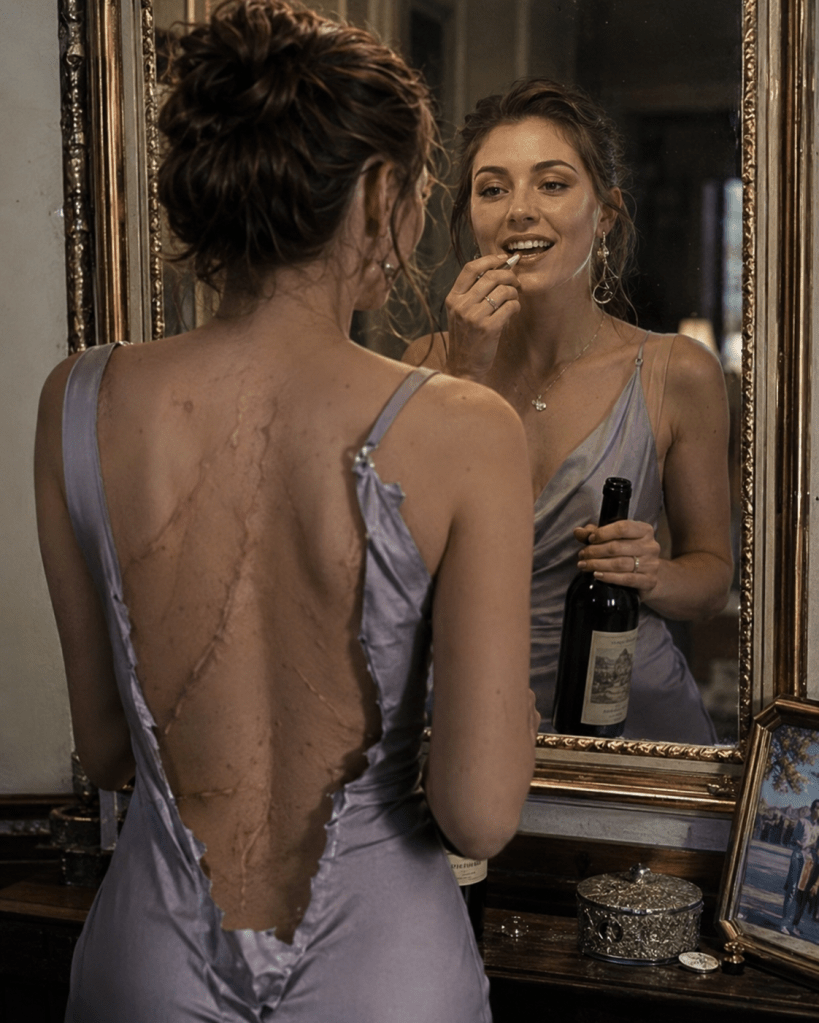
Behind many addictions is a story no one took the time to understand.
For many women, drug abuse does not begin with recklessness or rebellion. It begins with pain. Quiet pain. Hidden pain. The kind of pain women are often expected to carry in silence while still showing up for everyone else.
A woman can be breaking inside and still be expected to smile, nurture, work, love, and survive.
And sometimes, when the pain becomes too heavy, she looks for something, anything that makes it disappear, even for a moment.
This is the side of addiction society rarely talks about.
The Pain Women Are Told to Hide
Women experience emotional pressure in ways that are often ignored or normalized.
Some women carry:
• Childhood trauma
• Abuse or toxic relationships
• The pressure to be “strong” all the time
• Depression and anxiety
• Financial stress
• Heartbreak and abandonment
• The emotional exhaustion of caring for everyone except themselves
Yet society often teaches women to suffer quietly.
A hurting woman is usually told:
• “Be strong.”
• “Pray about it.”
• “Don’t be dramatic.”
• “Other people have it worse.”
• So instead of healing, many women learn how to suppress her feelings.
And suppressed pain does not disappear, it transforms.
Addiction Is Sometimes an Escape, Not a Desire
Many women who struggle with substance abuse were not searching for destruction. They were searching for relief.
Relief from:
• Emotional trauma
• Loneliness
• Fear
• Grief
• Emotional neglect
What may start as “something to calm the mind” slowly becomes dependency.
Prescription pills, alcohol, opioids, stimulants, or other substances often become emotional escape routes for women who feel like they have nowhere safe to place their pain.
The addiction becomes less about pleasure and more about survival.
The Feminine Burden: Expected to Heal Everyone but Herself
One painful reality is that women are often expected to pour endlessly into others while ignoring their own emotional wounds.
A woman can be:
• Struggling mentally
• Financially overwhelmed
• Emotionally abused
• Secretly depressed
• And still be expected to continue functioning normally.
• This emotional isolation is dangerous.
Because when a woman feels unseen long enough, she may begin looking for comfort in unhealthy places.
Not because she is weak
but because she is exhausted.
Society Judges Addicted Women More Harshly
There is also a double standard when it comes to addiction.
A struggling man is often viewed as “lost” or “going through something.”
A struggling woman is more likely to be called:
• Irresponsible
• Broken
• Unfit
• Shameful
Especially if she is a mother.
This shame pushes many women deeper into silence, making it harder for them to seek help without fear of judgment.
And silence is where addiction grows strongest.
Healing Women Instead of Hating Them
Addiction in women should not only be treated as a criminal issue or moral failure.
Sometimes, it is an emotional wound that was never given space to heal.
Healing starts when women are given:
Safe emotional support
Access to mental health care
Understanding instead of immediate judgment
Spaces where vulnerability is not punished
A woman who heals emotionally is less likely to destroy herself trying to escape emotionally.
Feminine Power Is Also Survival
True feminine strength is not pretending everything is okay.
Sometimes feminine power is:
Asking for help
Choosing recovery
Walking away from toxic environments
Allowing yourself to heal
Refusing to suffer in silence anymore
There is strength in survival.
And there is nothing weak about a woman choosing to rebuild herself after pain nearly destroyed her.
Conclusion
Many women battling addiction are not evil, careless, or hopeless.
Many are wounded.
Wounded by trauma, silence, abandonment, pressure, heartbreak, and years of carrying pain they were never taught how to release.
The conversation around women and drug abuse needs more compassion and less judgment.
Because sometimes the woman society calls “an addict” is actually a woman who was drowning quietly for years.
And healing begins the moment she is finally seen, heard, and understood.
 Feminine Power Is Not What You Were Told
 Pretty Is Not Shallow It’s Strategic
 Power in Softness
 Getting Paid Without Losing Yourself
 The Feminine Standard: Becoming Her
 Where Lifestyle Meets Intentional Living
